
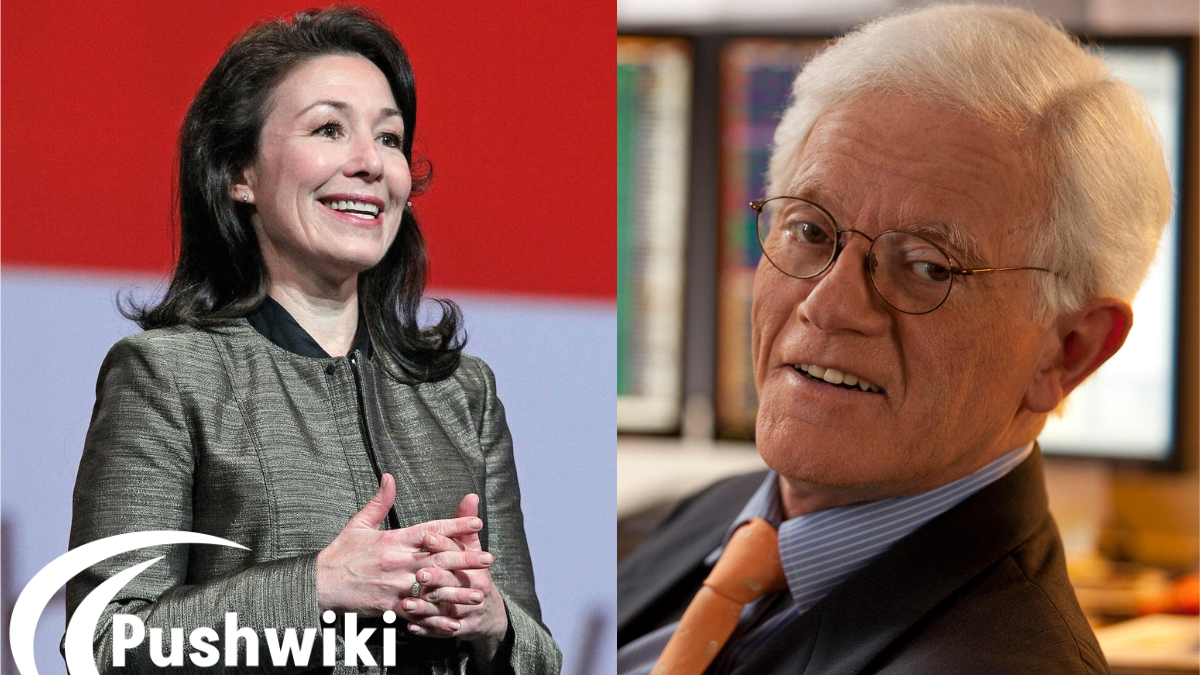

Discover the ultimate guide on Safra Catz and Peter Lynch. Explore their financial strategies, leadership styles, net worth, career parallels, and key investment principles.
The modern global economy is shaped by two powerful forces: executive leaders who build corporate value from within, and legendary investors who spot and allocate capital to value from the outside. Few figures encapsulate these two disciplines better than Safra Catz and Peter Lynch.
Safra Catz, as the former Chief Executive Officer and current Executive Vice Chair of Oracle Corporation, represents the gold standard of corporate capital allocation, aggressive merger and acquisition (M&A) execution, and operational discipline. Peter Lynch, the legendary former manager of Fidelity’s Magellan Fund, represents the pinnacle of active buy-side asset management, bottom-up fundamental stock selection, and individual investor empowerment.
Examining the Safra Catz Peter Lynch investment connection provides business leaders, corporate managers, and individual investors with a dual-perspective framework for long-term wealth creation. While Catz crafts enterprise value through operational efficiency, multi-billion-dollar deals, and cloud transformations, Lynch evaluates that very same enterprise value through financial statements, consumer trends, and earnings growth rates. This comprehensive guide explores their strategies, leadership philosophies, net worth contrasts, and enduring legacies.
Career Parallels: Distinct Paths to Financial Dominance
Safra Catz’s Ascent in Corporate Tech
Safra Catz’s path to becoming one of the most powerful executives in tech began not in computer science, but in investment banking. After earning her law degree from the University of Pennsylvania Law School, Catz built a reputation as a fierce financial tactician at Donaldson, Lufkin & Jenrette. She joined Oracle Corporation in 1999 as Senior Vice President and quickly moved through the executive ranks.
Catz served as Oracle’s Chief Financial Officer, President, co-CEO alongside the late Mark Hurd, and sole CEO from 2019 until late 2025. Throughout her tenure, Catz served as the chief financial architect behind Oracle’s evolution into a enterprise software and cloud superpower.
Peter Lynch’s Legendary Magellan Era
Peter Lynch’s entry into finance began modestly when he caddied at the Brae Burn Country Club in Newton, Massachusetts. Hearing conversations between golf club members sparked his interest in public markets. After studying at Boston College and Wharton, Lynch joined Fidelity Investments in 1969 as a research analyst.
In 1977, Lynch took charge of the obscure Fidelity Magellan Fund, which had $18 million in assets. Over the next 13 years, until his retirement in 1990, Lynch turned Magellan into the world’s largest and top-performing mutual fund, growing its assets under management to over $14 billion and generating a legendary 29.2% annualized return.
Analyzing the Safra Catz Peter Lynch Career Parallels
When examining the Safra Catz Peter Lynch career parallels, both leaders forged their success on three core foundations:
- Relentless Analytical Rigor: Neither executive relied on intuition alone; both demanded exhaustive data analysis before making a capital commitment.
- Consensus Defiance: Catz ignored widespread Wall Street skepticism during Oracle’s controversial hostile takeover of PeopleSoft, while Lynch routinely purchased unpopular stocks during broader market drawdowns.
- Uncompromising Focus on Cash Flow: Both realized that stock prices and enterprise value follow earnings and free cash flow over long horizons.
Leadership Comparison: Enterprise Governance vs. Portfolio Management
Executive Command at Oracle: Catz’s Operational Rigor
Safra Catz’s leadership approach is rooted in executive control, strict operational oversight, and financial precision. Working alongside Oracle founder Larry Ellison, Catz mastered the art of margin expansion and operational integration. When Oracle acquires a company, Catz moves rapidly to align corporate cultures, streamline software architectures, eliminate redundant corporate overhead, and integrate sales organizations.
Catz’s style is disciplined and firm. She focuses on metrics that directly influence the bottom line: operating margin percentages, free cash flow per share, and long-term enterprise debt servicing.
Tactical Autonomy in Asset Management: Lynch’s Flexible Approach
In contrast to top-down corporate execution, Peter Lynch operated with decentralized tactical flexibility. While managing Magellan, Lynch tracked up to 1,400 stocks at a single time. He categorized investments into six distinct buckets:
- Fast Growers: Small, aggressive companies expanding earnings at 20% to 25% annually.
- Stalwarts: Multi-billion-dollar giants offering dependable 10% to 12% annual earnings growth.
- Slow Growers: Mature companies offering high dividends but limited expansion.
- Cyclicals: Businesses whose revenue fluctuates with economic cycles (e.g., auto manufacturers, steel producers).
- Turnarounds: Troubled companies with solid balance sheets capable of restructuring.
- Asset Plays: Undervalued firms holding assets not fully recognized by Wall Street.
The Safra Catz Peter Lynch Leadership Comparison
The Safra Catz Peter Lynch leadership comparison illustrates the dual requirements of modern financial leadership:
| Attribute | Safra Catz (Corporate Executive) | Peter Lynch (Asset Manager) |
| Domain of Control | Internal operations, cost structure, M&A strategy | External portfolio allocation, stock selection |
| Primary Metric | Operating Margin, Free Cash Flow, ROIC | Earnings Growth Rate, PEG Ratio, Total Return |
| Execution Style | Direct organizational command and integration | Research-driven observation and tactical rebalancing |
| Risk Mitigation | Structural debt management and recurring revenues | Broad diversification and continuous fundamental checks |
Financial Strategies: M&A Engineering vs. Bottom-Up Stock Picking
Catz’s Acquisition and Cloud Expansion Engine
Safra Catz’s financial strategy centers on using high-margin cash flows from legacy businesses to finance strategic growth engines. During Oracle’s initial growth era, Catz executed over 100 strategic acquisitions, spending tens of billions acquiring major enterprise software developers including:
- PeopleSoft ($10.3B): Secured dominant enterprise resource planning (ERP) market share.
- Siebel Systems ($5.8B): Strengthened customer relationship management (CRM) capabilities.
- Sun Microsystems ($7.4B): Acquired Java technology and hardware systems.
- Cerner ($28.3B): Expanded Oracle’s presence into healthcare data infrastructure.
As tech shifted to the cloud, Catz shepherded Oracle’s major transformation into a hyperscale cloud infrastructure (OCI) powerhouse, using strategic capital expenditures to build global data centers while keeping margins high through automated software administration.
Legacy Database Cash Flow ──> Strategic M&A (e.g., Cerner) ──> Cloud Infrastructure (OCI) ──> Recurring SaaS/IaaS Revenues
Lynch’s Fundamentals-First Growth Strategy
Peter Lynch developed a bottom-up growth framework known as GARP (Growth at a Reasonable Price). Rather than engaging in top-down macroeconomic forecasting, Lynch evaluated companies individually based on key fundamental metrics:
- Price-to-Earnings-to-Growth (PEG) Ratio: Lynch sought companies where the P/E ratio was equal to or less than the company’s annual earnings growth rate. A $PEG < 1.0$ indicated a potentially undervalued stock.
- Debt-to-Equity Ratio: Lynch favored clean balance sheets, looking for companies with minimal long-term debt and substantial cash balances.
- Inventory and Receivables Alignment: Tracking whether inventory growth was exceeding sales growth, serving as an early indicator of operational inefficiency.
Analyzing Safra Catz Peter Lynch Financial Strategies
Comparing Safra Catz Peter Lynch financial strategies reveals that both leaders focus on business durability. Catz uses capital structure and corporate cash to build an economic moat around software products. Lynch looked for businesses that already possessed economic moats—such as high switching costs or brand loyalty—and bought them before the rest of the market bid up their valuations.
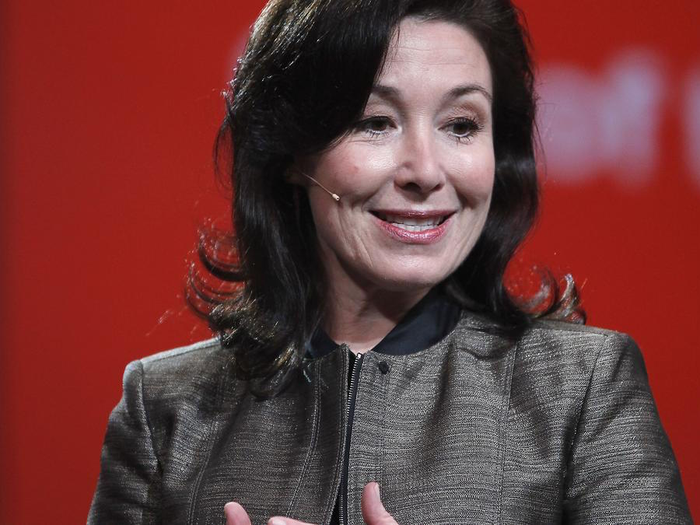
The Investment Connection: Where Corporate Strategy Meets Stock Picking
Operational Efficiency as a Value Driver
The Safra Catz Peter Lynch investment connection lies in how corporate capital allocators create the exact quantitative characteristics that public market investors look for. When Catz enforces margin discipline, cuts administrative redundancies, and transitions customers to subscription revenue models, she elevates the company’s financial profile.
The Buy-Side View of Corporate Execution
If Peter Lynch were analyzing a technology firm managed under Catz’s principles, he would see classic characteristics of a Stalwart or Fast Grower:
- Sticky Customer Base: Enterprise customers rarely switch database software due to extreme friction and downtime costs.
- Predictable Cash Flow: Subscription revenue models yield high earnings visibility.
- Reinvestment in High-Yield Infrastructure: Deploying capital into expanding markets, such as cloud and AI infrastructure.
By driving operational efficiency from the C-suite, Catz creates the “ten-bagger” fundamentals that institutional and retail investors seek in the stock market.
Net Worth Contrast: Corporate Compensation vs. Market Compounding
Safra Catz’s Equity Wealth and Corporate Holdings
Safra Catz has consistently ranked among the highest-paid corporate executives in North America. Her net worth, estimated to be in the $1.5 billion+ range, has been accumulated through corporate executive compensation, stock option grants, and equity appreciation over her decades at Oracle.
Executive Salary + Performance Bonuses + Stock Option Exercise ──> Long-Term Oracle Equity Holdings ──> Ultra-High Net Worth ($1.5B+)
Her wealth is a testament to executive equity compensation—building massive net worth by guiding a single corporate entity to multi-hundred-billion-dollar enterprise scale.
Peter Lynch’s Asset Management Wealth
Peter Lynch’s net worth, estimated between $450 million and $500+ million, was generated through a different vehicle. His wealth stems from fund management compensation, performance incentives during his 13 years at Magellan, and personal capital compounding post-retirement.
Unlike Catz, who concentrated her career capital in one corporate titan, Lynch generated wealth by allocating capital across thousands of public companies.
The Safra Catz Peter Lynch Net Worth Contrast
Comparing the Safra Catz Peter Lynch net worth contrast highlights two different paths to wealth creation:
- The Executive Path (Catz): Deeply concentrated exposure in a single high-growth tech giant, where operational control directly impacts net worth through equity performance.
- The Investor Path (Lynch): Broadly diversified exposure across equity markets, leveraging personal research and market compounding to build multi-generational wealth.
What Happened with Safra Catz? The Evolution of Oracle’s Leadership
A frequent question among investors and technology analysts is: What happened with Safra Catz?
In late 2025, Oracle Corporation announced a planned leadership transition. Safra Catz transitioned from her role as CEO to become the Executive Vice Chair of the Oracle Board of Directors. Oracle elevated long-time executives Clay Magouyrk (former head of Oracle Cloud Infrastructure) and Mike Sicilia (head of Oracle’s industry application businesses) to serve as co-CEOs.
1999: Joins Oracle ──> 2014: Co-CEO with Mark Hurd ──> 2019: Sole CEO ──> Late 2025: Executive Vice Chair
Shepherding Oracle’s $300B+ AI & Cloud Era
This transition was designed to position Oracle for its next era of expansion in artificial intelligence and cloud computing:
- Strategic Governance: As Executive Vice Chair, Catz continues to guide capital structure, investor relations, board governance, and global M&A deals.
- Expanding Cloud Regions: Catz led Oracle’s cloud infrastructure expansion past 100 global OCI regions, cementing multi-cloud partnerships with Amazon Web Services (AWS), Microsoft Azure, and Google Cloud.
- AI Infrastructure Mega-Deals: Catz oversaw major capital expansions to support AI training and inference, including massive cloud partnerships such as a landmark multi-year, $300 billion cloud services agreement with OpenAI.
Far from stepping back, Catz helped steer Oracle to record market capitalization before transitioning to focus on long-term corporate governance.
Who is the Greatest Stock Picker of All Time? Lynch vs. The Wall Street Legends
When evaluating financial history, analysts frequently ask: Who is the greatest stock picker of all time?
While names like Warren Buffett, Benjamin Graham, and George Soros dominate investment discussions, Peter Lynch is widely considered the greatest active mutual fund stock picker in financial history.
Fidelity Magellan Fund Track Record (1977–1990)
------------------------------------------------
Annualized Return:    29.2%  (vs. S&P 500 ~15%)
Assets Managed:       $18 Million ──> $14 Billion+
Growth of $10,000:    $10,000 ──> ~$270,000+
Comparing the Titans: Lynch vs. Buffett vs. Graham
- Peter Lynch: Generated a 29.2% annualized return over 13 years managing thousands of stocks across all sectors. His strength lay in identifying “ten-baggers”—stocks that grew 10 times or more in value—before institutional Wall Street analysts noticed them.
- Warren Buffett: Holds the greatest long-term compounding record over six decades through Berkshire Hathaway. However, Buffett operates primarily as a business acquirer and long-term hold investor rather than a rapid stock trader.
- Benjamin Graham: The father of value investing and author of The Intelligent Investor, Graham focused on quantitative net-net balance sheet discounts, whereas Lynch incorporated high-growth companies.
While Buffett holds the crown for total lifetime wealth and holding duration, Lynch remains unmatched in pure stock-picking performance during his fund manager career.
What Does Warren Buffett Think of Peter Lynch?
Understanding how legendary figures view one another offers valuable perspective into investing. What does Warren Buffett think of Peter Lynch?
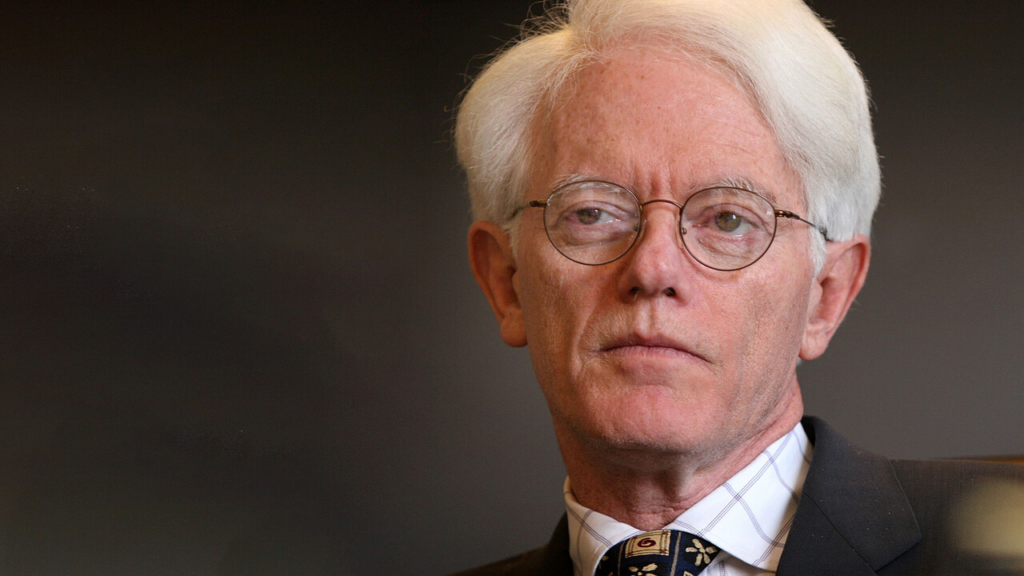
Warren Buffett holds Peter Lynch in exceptionally high regard. In 1989, an incredible exchange took place between the two legends:
The 1989 Phone Call
On a Saturday afternoon in 1989, Peter Lynch picked up a telephone call at his home. Lynch’s young daughter told him that “Mr. Buffett” was on the line. Thinking it was a prank, Lynch picked up the receiver to hear the Oracle of Omaha himself.
Buffett called to let Lynch know that he had just finished reading Lynch’s newly published book, One Up on Wall Street. Buffett was so impressed by the book that he asked Lynch for permission to quote a specific passage in the upcoming Berkshire Hathaway Annual Shareholder Letter.
"Selling your winners and holding your losers is like cutting the flowers and watering the weeds."
— Peter Lynch (Quoted by Warren Buffett in his 1989 Shareholder Letter)
The Shared Philosophy: “Let Your Winners Run”
Buffett loved this line because it encapsulated his own investment ethos. Both Buffett and Lynch agree on a crucial market mistake: retail investors often hurry to lock in minor profits on winning stocks while stubbornly holding onto declining, poorly performing companies hoping to break even.
Buffett adopted Lynch’s quote to remind investors to let their winners compound for decades.
Peter Lynch’s Most Famous Quote and Its Strategic Application
What is Peter Lynch’s Most Famous Quote?
Peter Lynch’s most famous quote—and the central pillar of his philosophy—is:
“Invest in what you know.”
This mantra is frequently expanded in his writings to: “Know what you own, and know why you own it.”
Common Misconceptions vs. True Meaning
This quote is often misunderstood by retail investors. Lynch did not suggest that an individual should buy a company’s stock simply because they enjoy its products or visit its retail locations.
Instead, Lynch advocated using everyday consumer interactions as a first lead. If you notice that a restaurant chain is packed, a retail item is constantly selling out, or a tech product is being rapidly adopted at work, that observation should prompt you to investigate the underlying company’s financials.
Other Essential Quotes by Peter Lynch
Lynch contributed several other enduring insights to investment literature:
- On Market Volatility: “In the stock market, the most important organ is the stomach, not the brain.”
- On Market Timing: “Far more money has been lost by investors preparing for corrections or trying to anticipate corrections than has been lost in the corrections themselves.”
- On Error Rates: “In this business, if you’re good, you’re right six times out of ten. You’re never going to be right nine times out of ten.”
Practical Examples and Real-World Applications for Investors and Executives
To synthesize the methodologies of Safra Catz and Peter Lynch, let us examine three practical, real-world case studies applying their philosophies.
Practical Example 1: Evaluating Enterprise Moats (The Catz Playbook)
Imagine evaluating an enterprise software provider for investment or corporate management. Applying Safra Catz’s operational framework requires asking four critical questions:
- What is the recurring revenue percentage? Look for software subscriptions making up >80% of total revenue.
- What are customer switching costs? Assess whether migrating away from the software would interrupt core business operations.
- Is the operating margin expanding? Ensure that revenue growth is converting into higher operating income percentages.
- Is M&A capital accretive? Check whether strategic acquisitions increase long-term free cash flow per share.
Evaluate Software Firm ──> Confirm >80% Subscription Revenue ──> Verify High Switching Costs ──> Validate Margin Expansion
Practical Example 2: Spotting “Ten-Baggers” in Everyday Life (The Lynch Playbook)
Imagine a medical professional who notices that a specialized diagnostic tool is becoming the industry standard across hospital networks. Applying Peter Lynch’s stock-selection methodology involves:
- Observing Ground-Level Demand: Noticing rapid institutional adoption before Wall Street highlights the trend.
- Checking Financial Health: Confirming earnings growth exceeds 20% annually while the P/E ratio remains modest.
- Evaluating the PEG Ratio: Calculating $\text{PEG} = \frac{\text{P/E Ratio}}{\text{Earnings Growth Rate}}$. If the P/E is 15 and earnings growth is 20%, $\text{PEG} = 0.75$, signaling potential undervaluation.
- Inspecting Debt: Ensuring long-term debt is low relative to cash reserves.
Practical Example 3: Portfolio Risk Management During Market Downturns
Suppose market volatility causes tech stocks to decline by 25% across the board. Combining Catz’s balance sheet focus with Lynch’s emotional discipline provides a strategy:
- Do Not Panic Sell: Recall Lynch’s reminder that market drawdowns are normal and necessary for long-term gains.
- Review Fundamentals: Check whether the company’s revenue, margins, and order backlog remain intact, as Catz does during economic cycles.
- Reallocate to Quality: Reinvest in market leaders with high cash reserves, sticky revenues, and superior leadership.
Conclusion: Synthesizing Corporate Mastery and Investment Wisdom
Safra Catz and Peter Lynch operated in different financial arenas, yet their contributions converge on a single principle: sustainable wealth creation demands analytical rigor, emotional discipline, and a deep understanding of business fundamentals.
Catz demonstrated how operational control, prudent M&A, and balance sheet management can build enterprise value and transition a legacy tech firm into an AI hyperscaler. Lynch proved that a disciplined, research-driven investor can outperform Wall Street institutions by focusing on company fundamentals, letting winning investments run, and ignoring short-term market noise.
Whether you are a corporate executive optimizing margins or an individual investor building a portfolio, applying the dual principles of Catz’s execution and Lynch’s stock selection provides a durable roadmap for long-term financial success.
